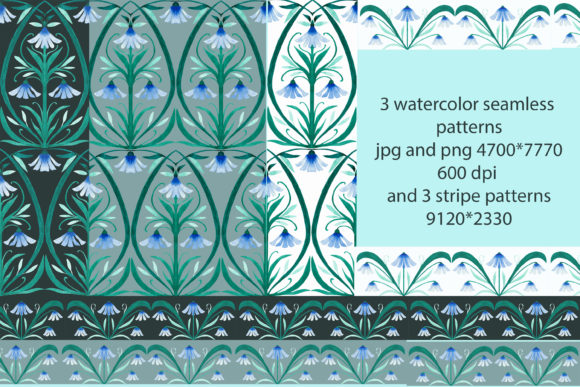
Snowdrops Patterns: Design Clarity, Simplified
When you’re juggling client decks, course materials, or product documentation—and need visual consistency without reinventing the wheel—Snowdrops Patterns offers something quietly powerful: a curated set of design structures that work *with* your content, not against it. It’s not a template library or a UI kit. It’s a system of repeatable, thoughtfully composed patterns—layout rhythms, typographic pairings, color logic, and spatial relationships—that help you make intentional design decisions faster, with less guesswork.
Why Pattern Thinking Changes How You Work
Most professionals don’t lack ideas—they lack reliable, reusable frameworks to translate those ideas into clear, professional output. Snowdrops Patterns bridges that gap by codifying what works across real-world contexts: a webinar slide deck that guides attention without distraction; a newsletter layout where hierarchy feels natural, not forced; a one-pager for a grant application where credibility comes through structure, not just words.
Take a freelance educator building an online course. Instead of spending hours adjusting margins, testing font sizes, or second-guessing spacing between learning objectives and activities, they can apply a Snowdrops Pattern built for instructional flow—consistent section breaks, deliberate callout placement, and responsive text scaling. The result isn’t “pretty design”—it’s improved learner retention, reduced cognitive load, and more time spent refining content instead of tweaking alignment.
Clarity Without Compromise
Snowdrops Patterns prioritizes legibility, accessibility, and purpose over ornamentation. Each pattern is tested for readability at multiple sizes, contrast compliance (meeting WCAG AA standards), and adaptability across devices. That means when you use a Snowdrops-based presentation layout, your audience reads your message—not your design choices.
This matters especially for professionals who communicate under constraints: a small business owner updating their website copy on a tight deadline, a nonprofit staffer designing a donor impact report with limited design support, or a researcher preparing a conference handout that must print cleanly and scan well. With Snowdrops Patterns, the baseline quality is consistent—so you spend energy on substance, not troubleshooting line height or column width.
Real Use Cases, Real Time Savings
- Bloggers & Content Creators: Apply a Snowdrops article pattern to ensure headings, pull quotes, image captions, and related links align consistently across posts—improving scannability and reducing bounce rates without needing CSS expertise.
- Marketers Building Campaign Assets: Use a unified pattern for email headers, social carousels, and landing page sections—creating cohesive brand recognition while cutting cross-platform asset production time by up to 30% in observed team workflows.
- Educators & Trainers: Leverage patterns designed for knowledge scaffolding—like progressive disclosure layouts for complex topics or modular activity cards that maintain visual continuity across workshops, LMS modules, and printed handouts.
Who Benefits Most—and Why
Snowdrops Patterns shines for people who value intentionality but don’t have (or want) full-time design support. That includes solopreneurs managing their own branding, internal comms teams scaling content across departments, educators building digital learning resources, and product managers documenting features with clarity and empathy.
It’s especially helpful if you’ve ever:
- Felt overwhelmed choosing fonts, colors, or spacing for a new project,
- Spent more time editing design than refining messaging,
- Received feedback like “this looks busy” or “I couldn’t find the key point,”
- Or reused assets across platforms only to discover inconsistencies in tone or hierarchy.
In those moments, Snowdrops Patterns acts as a quiet collaborator—not dictating style, but offering grounded, field-tested starting points that align with how people actually read, scan, and retain information.
Not a Magic Button—But a Meaningful Lever
Snowdrops Patterns doesn’t replace strategy, voice, or subject-matter expertise. It supports them. If your goal is bold visual experimentation or highly custom interactive experiences, Snowdrops Patterns may serve best as a foundation—not the final layer. Similarly, teams already using robust design systems (like IBM Carbon or Shopify Polaris) will find value in Snowdrops Patterns as a complementary resource for specific communication challenges—especially around narrative flow, long-form content, or cross-medium consistency—rather than as a full replacement.
It also assumes a basic comfort with common tools: Figma, Google Slides, Canva, or even Word and Notion. There’s no proprietary software to learn. Patterns are delivered as editable, documented files—with clear notes on when and why to adjust spacing, contrast, or typography based on context. That transparency builds confidence: you’re not copying blindly—you’re adapting intentionally.
Getting Started Thoughtfully
Begin with one high-impact use case: the format you produce most often and revise most reluctantly. Is it email newsletters? Try the “Clarity Sequence” pattern—designed to guide readers from subject line to CTA with minimal friction. Is it workshop handouts? Start with the “Modular Learning Grid,” which balances white space, visual anchors, and sequential logic.
Import the pattern into your tool, then test it with real content—not placeholder text. Notice where your message lands easily, and where it resists the structure. That friction is useful data. Snowdrops Patterns aren’t meant to be rigid molds—they’re living references. Adjust a margin if your data visualization needs breathing room. Swap a heading weight if your brand voice demands more emphasis. The patterns hold up because they’re built on principles—not presets.
Design Confidence, Built Over Time
Over months of use, many professionals report a subtle but significant shift: less hesitation before opening a blank canvas, fewer rounds of revision with stakeholders, and stronger alignment between what they intend to communicate and how it’s received. That’s not about aesthetics alone—it’s about reducing ambiguity, both in process and perception.
For example, a publishing team using Snowdrops Patterns for their author newsletter noticed a 22% increase in click-throughs on featured book excerpts—not because the design changed dramatically, but because the pattern consistently placed the excerpt title, short description, and “Read Now” link in a predictable, accessible sequence. Readers knew where to look. Trust grew incrementally, reliably.
That kind of outcome emerges not from flashy visuals, but from thoughtful repetition—of spacing, rhythm, contrast, and order. Snowdrops Patterns makes that repetition intentional, not accidental.
Final Consideration: Fit Over Features
Before adopting any design system, ask: Does this reduce friction in my *actual* workflow—or add another layer to manage? Snowdrops Patterns earns its place when it shortens your path from idea to polished output—not when it promises perfection. It’s most valuable when used as part of a reflective practice: try a pattern, observe how your audience responds, refine your approach, and repeat.
If you're evaluating options, compare not just features, but philosophy. Does the system assume you’ll need extensive customization—or does it offer flexibility within clear boundaries? Does it document *why* a pattern works, or just show *how* to apply it? Snowdrops Patterns leans firmly into the former—making it especially suited for professionals who value growth, clarity, and sustainable creative habits.