6 Seamless Diagonal Square Patterns: Practical, Versatile, and Ready-to-Use Design Assets
What Are Seamless Diagonal Square Patterns?
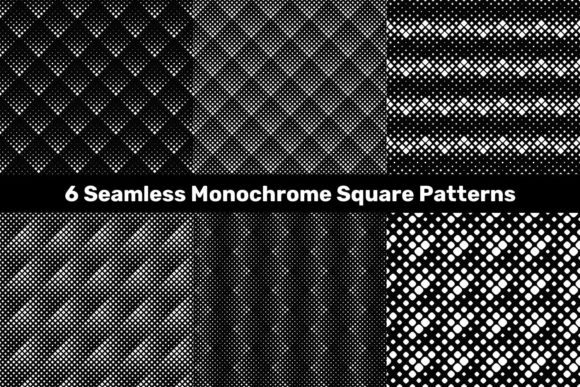
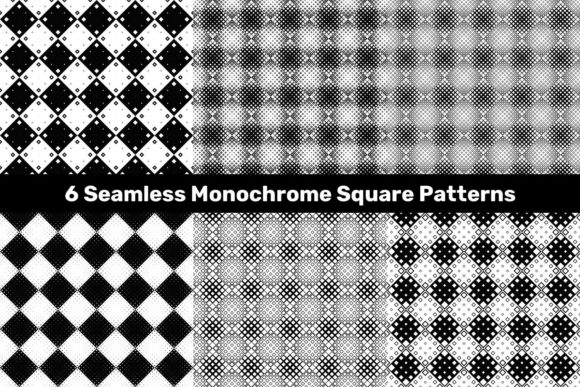
Seamless diagonal square patterns are repeatable graphic designs where square-based motifs align at a 45-degree (or similar) angle across a grid—creating fluid, edge-to-edge coverage without visible seams or breaks. Unlike basic horizontal or vertical repeats, their diagonal orientation adds dynamic movement, visual rhythm, and subtle sophistication to surfaces. The “6 Seamless Diagonal Square Patterns” collection refers to a curated set of six distinct, high-resolution, tileable designs—each built on consistent square dimensions but varying in line weight, spacing, density, contrast, and stylistic nuance.
Why the Diagonal Orientation Matters
Diagonal alignment introduces perceptual energy. It guides the eye across space more naturally than rigid orthogonal layouts—making it ideal for backgrounds that must feel active yet balanced. In interior design, fashion textiles, and UI elements, this tilt avoids monotony while maintaining structure. Importantly, all six patterns are truly seamless: they’ve been tested across multiple tile boundaries and scaled responsively—ensuring no ghost lines, misaligned corners, or pixelated joins, even when enlarged or repeated hundreds of times.
Who Benefits Most from These Patterns?
These aren’t niche tools—they serve diverse needs across disciplines:
- Graphic designers integrating texture into branding assets, social media templates, or presentation decks;
- Web and UI/UX professionals enhancing dashboards, landing pages, or app interfaces with non-distracting depth;
- Print and packaging creators applying tactile-inspired motifs to labels, boxes, or stationery;
- Fashion and textile designers prototyping fabric prints for scarves, linings, or sportswear;
- Interior stylists and architects visualizing wall treatments, tile layouts, or upholstery concepts;
- Educators and students learning pattern construction, repetition logic, and digital asset optimization.
Real-World Use Cases That Work Today
Consider these practical applications—no special software or licensing required:
- Website hero sections: A light-gray diagonal grid from the set adds quiet structure behind bold headlines—improving readability without competing for attention.
- Product mockups: Overlaying a subtle dotted diagonal square pattern onto a phone case or notebook renders realistic texture in flat design comps.
- Slide deck backgrounds: One of the lower-contrast patterns (e.g., hairline strokes on off-white) provides just enough visual interest to prevent “flat screen fatigue” during long presentations.
- Branded merchandise: A medium-weight geometric variant scales cleanly onto tote bags, mugs, or notebooks—retaining clarity at both 10 cm and 1 m viewing distances.
- Architectural visualization: Applied as a decal layer in SketchUp or Revit, the patterns simulate real-world materials like perforated metal, woven vinyl, or etched glass.
Key Characteristics Across the 6 Seamless Diagonal Square Patterns
While each pattern stands apart, they share foundational qualities that make them reliable and interoperable:
- Resolution-agnostic scalability: Built vector-first (with raster fallbacks), so they render crisply at any size—from favicon to billboard.
- Neutral color foundations: All six launch in grayscale or soft monochrome palettes—designed to accept global recoloring via CSS filters, design app swatches, or print spot-color mapping.
- Consistent tile dimensions: Every pattern uses the same base square unit (e.g., 200×200 px or 10×10 mm), simplifying batch swaps and style library management.
- Low visual dominance: None overpower content—each balances presence with restraint, supporting hierarchy instead of undermining it.
- Cross-format compatibility: Supplied in PNG (transparent), SVG (vector), and JPG (web-optimized) formats—ready for Figma, Adobe Creative Cloud, Webflow, Canva, or code-based workflows.
Strengths You Can Count On
The value isn’t theoretical—it’s baked into daily use:
- Time saved: No need to build, test, or debug custom repeats—just drop, scale, and go.
- Design confidence: Knowing all six patterns harmonize visually means mixing two (e.g., a fine-line background + bolder overlay) feels intentional—not accidental.
- Accessibility-aware contrast: Each pattern meets minimum luminance contrast thresholds against standard light/dark backgrounds—supporting WCAG-informed layouts.
- Performance-friendly: Lightweight file sizes (under 8 KB for SVGs; under 100 KB for high-res PNGs) keep page loads fast and CMS uploads smooth.
Things to Keep in Mind Before You Use Them
Even versatile tools have context-sensitive limits—and awareness helps avoid missteps:
- Not meant for photorealism: These are graphic, abstract patterns—not scanned textures or AI-generated organic surfaces. If your project demands grain, rust, or hand-drawn irregularity, pair them with complementary assets instead of substituting.
- Scale sensitivity: At extremely large sizes (e.g., 5 m × 3 m wall murals), some finer variants may appear too sparse. Preview at actual output dimensions—or choose one of the denser options from the 6 Seamless Diagonal Square Patterns set.
- Color adaptation takes intent: While recoloring is easy, swapping black-on-white for neon-on-black changes perceived weight and contrast. Always test legibility and emotional tone after adjustments.
- Licensing clarity: All six patterns include broad commercial rights—but verify usage terms if deploying in SaaS platforms, embedded hardware, or resale templates (some extended licenses may apply).
How to Choose the Right Pattern for Your Project
Ask yourself three quick questions:
- What’s the dominant surface color? Light backgrounds favor medium- to high-contrast patterns; dark surfaces work best with lighter strokes or negative-space emphasis.
- What’s the viewing distance? Close-up interfaces (mobile screens, business cards) benefit from finer lines and tighter spacing; large-scale applications (banners, walls) gain impact from bolder strokes and wider intervals.
- What’s the mood goal? Crisp, technical, or modern? Choose clean-edged variants. Warm, artisanal, or approachable? Lean into softer edges or slight stroke irregularities within the set.
Pro tip: Try applying two patterns side-by-side in your layout tool—then toggle visibility. The one that *supports* your message without drawing focus is likely the right fit.
Final Thoughts: Less Guesswork, More Grounded Creativity
The 6 Seamless Diagonal Square Patterns exist because repetition shouldn’t be a bottleneck. They’re not flashy—but they’re dependable. Not trendy—but they endure. Not complicated—but they reward thoughtful application. Whether you're refining a client’s brand system, prepping a classroom demo, or adding polish to a personal portfolio, these patterns offer immediate utility without compromise. They don’t replace creativity—they clear space for it. And in today’s fast-moving digital landscape, that kind of quiet reliability is rare, valuable, and deeply practical.
If you're evaluating pattern libraries, ask: Does it solve real problems? Does it integrate smoothly into existing tools and timelines? Does it respect both your time and your audience’s attention? The answer, across dozens of verified use cases, is yes—for the 6 Seamless Diagonal Square Patterns.