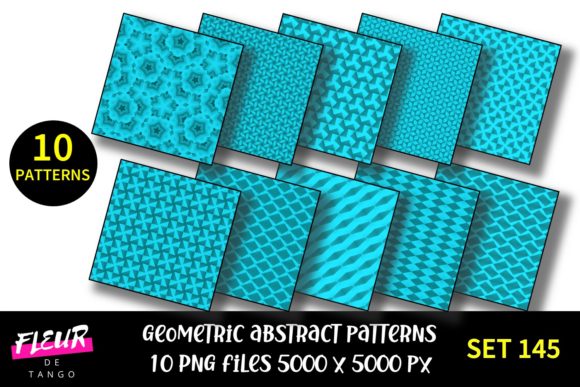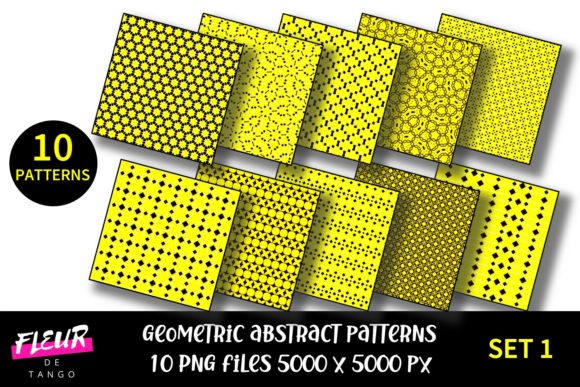
Geometric Patterns Digital Paper Set 1: Precision, Versatility, and Quiet Confidence in Design
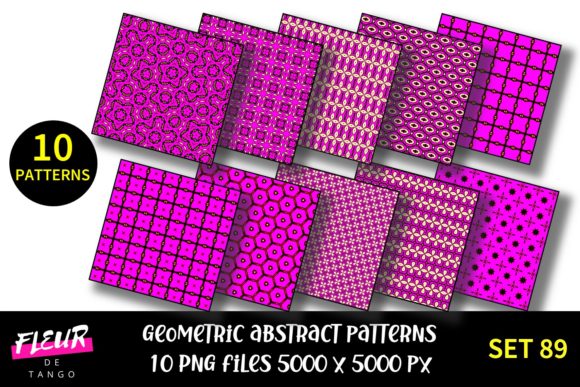
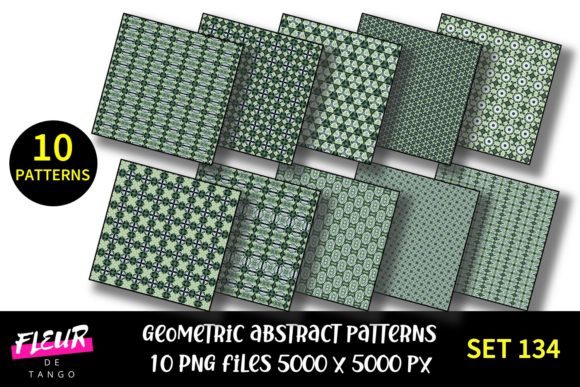
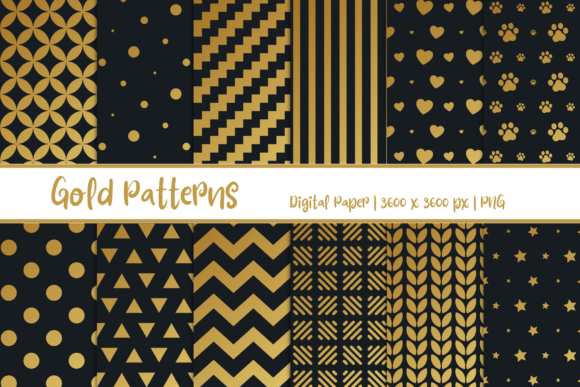
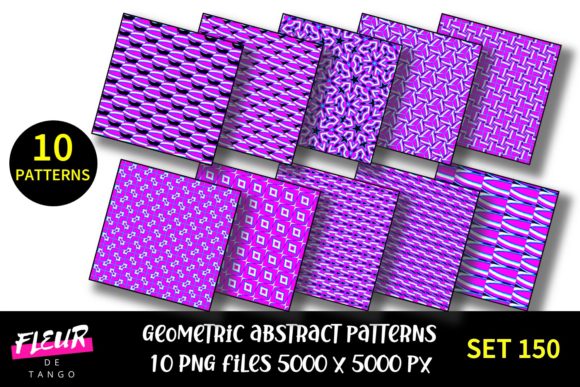
Design isn’t just about what you say—it’s about how you frame it. In a world saturated with visual noise, subtle intentionality stands out. Geometric Patterns Digital Paper Set 1 delivers exactly that: a curated collection of clean, scalable, and context-aware digital papers built for real-world use—not just decoration. These aren’t generic repeats or over-saturated gradients. They’re thoughtfully constructed patterns—triangles, tessellated hexagons, asymmetric grids, and minimalist line work—designed with consistent spacing, balanced contrast, and intentional negative space. Each pattern is delivered as a high-resolution, tileable PNG with transparent background, optimized for both screen and print workflows.
Why Geometric Patterns Are Resonating Now—Not Just Trending
It’s easy to mistake geometric design for a passing aesthetic. But what’s happening now is deeper: a quiet recalibration of visual values. Professionals across disciplines—from educators building interactive lesson decks to small-business owners refreshing their brand collateral—are prioritizing clarity over clutter, consistency over novelty, and flexibility over flash. Geometric patterns support that shift. Their mathematical logic makes them inherently predictable: they scale without distortion, layer without visual competition, and adapt across mediums—from social media banners to printable workshop handouts.
This aligns with broader behavioral shifts. Remote and hybrid work have increased reliance on digital-first assets that load quickly, embed cleanly into tools like Canva, PowerPoint, or Figma, and maintain integrity across devices. At the same time, consumers and clients are growing more visually literate—and more skeptical of overly polished, AI-generated uniformity. Hand-crafted geometry—like the kind found in Geometric Patterns Digital Paper Set 1—offers warmth through structure. It feels intentional, not algorithmic.
From Print-Only Tools to Integrated Creative Infrastructure
Digital paper sets used to live almost exclusively in scrapbooking or invitation design. Today, they function as foundational elements in modern creative infrastructure. Consider a freelance graphic designer preparing pitch decks: instead of building custom backgrounds from scratch for every client, they apply a restrained triangular motif from Geometric Patterns Digital Paper Set 1 as a subtle texture behind key stats—adding depth without distracting from data. Or an educator embedding a soft grid pattern into a PDF worksheet: it improves scannability and gives students gentle visual anchors without overwhelming cognitive load.
The technical execution matters here. These patterns are built at 300 DPI, with seamless tiling confirmed across multiple software environments (including Adobe Suite, Affinity apps, and browser-based editors). No awkward seams. No color-shifting on export. That reliability reduces friction—not just for designers, but for non-designers who need dependable assets fast. A solopreneur updating their email newsletter template doesn’t need to understand vector math; they need something that “just works” when dragged into Mailchimp or ConvertKit.
How Context Shapes Pattern Choice—And Why It Matters
Not all geometry serves the same purpose. A tightly packed dot grid conveys precision and order—ideal for finance reports or tech documentation. A sparse arrangement of overlapping diamonds suggests openness and connection—well-suited for wellness branding or collaborative workshop materials. A staggered chevron pattern adds gentle rhythm without aggression—perfect for educational infographics where flow supports comprehension.
Geometric Patterns Digital Paper Set 1 reflects this nuance. It includes 12 distinct patterns, each with clear functional intent—not just visual variety. One features thin, monoline triangles spaced generously, lending itself to minimalist branding. Another uses bold, interlocking octagons in muted earth tones—grounded enough for sustainability-focused content, yet distinctive enough to avoid cliché. The set avoids neon saturation and overused metallic finishes, favoring accessible contrast and WCAG-compliant color pairings. That means better readability for presentations, stronger accessibility in learning materials, and more inclusive visual communication overall.
Real Workflows, Real Time Savings
Time is the most consistent constraint across our audience—whether you’re a marketing manager juggling quarterly campaigns, a teacher prepping for back-to-school, or a developer documenting an API. Reusing well-designed, production-ready assets isn’t a shortcut—it’s strategic efficiency. Here’s how users report integrating Geometric Patterns Digital Paper Set 1:
- A content strategist overlays a low-opacity hexagonal mesh onto blog post headers—creating visual continuity across a 20-article series without redesigning each image.
- A small yoga studio owner applies a soft, asymmetrical line pattern to downloadable class schedules—adding brand personality while keeping text fully legible on mobile.
- An instructional designer uses a subtle triangular repeat as a background layer in Articulate Storyline slides—enhancing spatial hierarchy without triggering motion sensitivity.
- A freelance writer incorporates a muted grid pattern into pitch emails—giving proposals visual cohesion and professional polish before the first sentence is read.
None of these require advanced software skills. Most are accomplished in under two minutes using native tools—no plugins, no licensing ambiguity, no attribution requirements. That practicality is part of why this set sees repeat use across quarters, not just single projects.
Beyond Decoration: Patterns as Communication Tools
Patterns do more than fill space—they shape perception. Research in visual cognition shows that structured repetition improves information retention and guides attention. A well-placed geometric motif can signal category (e.g., a circuit-like pattern reinforcing tech themes), imply movement (a diagonal stripe suggesting progression), or evoke stability (a symmetrical lattice reinforcing trust). Geometric Patterns Digital Paper Set 1 was developed with those principles in mind—not as abstract art, but as functional visual language.
This becomes especially valuable in cross-functional collaboration. When a product team shares a presentation deck built with consistent pattern language, stakeholders subconsciously register coherence—even before absorbing content. When a nonprofit uses the same understated grid across annual reports, donor updates, and volunteer training decks, it reinforces organizational maturity and attention to detail.
What Has Changed—And What Hasn’t
What’s new isn’t geometry itself—it’s how we deploy it. Ten years ago, digital papers were often treated as static embellishments, applied once and forgotten. Today, they’re modular components: layered, adjusted in opacity, recolored via blending modes, or animated subtly for web use. The rise of no-code platforms and collaborative design tools has also shifted expectations—users want assets that integrate cleanly, not ones that require technical translation.
What hasn’t changed is the human response to balance, rhythm, and proportion. Our eyes still seek order. Our brains still parse repetition as familiarity. And professionals still value tools that respect their time while elevating their output. Geometric Patterns Digital Paper Set 1 meets that enduring need—not by chasing novelty, but by refining fundamentals.
Getting Started Without Overthinking It
You don’t need to overhaul your entire visual system to benefit. Start small:
- Pick one pattern that matches your current project’s tone—a light grid for documentation, a bold triangle for a launch announcement.
- Apply it at 5–10% opacity as a background layer behind body text or key visuals.
- Test it across two devices: does it enhance readability? Does it feel intentional, not incidental?
- If yes, save that combination as a reusable template. If not, try a different pattern—or dial back the opacity further.
That iterative, low-stakes approach is how professionals build confidence with new assets. There’s no “right” way to use Geometric Patterns Digital Paper Set 1—only ways that serve your message, your audience, and your workflow.
Looking Ahead—Without Looking Away From Now
Future iterations of digital paper sets will likely incorporate more adaptive features—light/dark mode variants, CSS-compatible SVG versions, or even simple JSON metadata describing each pattern’s recommended use case. But the core value remains unchanged: reliable, human-centered design infrastructure. As tools evolve and attention fragments further, the ability to communicate clearly—without shouting—becomes more valuable, not less.
Geometric Patterns Digital Paper Set 1 doesn’t promise transformation. It offers refinement. It supports the work you’re already doing—making documents easier to navigate, presentations more cohesive, and everyday communications quietly more confident. That kind of utility doesn’t trend. It endures.