Mandala Patterns Design: Timeless Symmetry Meets Modern Creativity
At its core, Mandala Patterns Design is more than decorative geometry—it’s a visual language rooted in balance, intention, and repetition. Originating from ancient spiritual traditions across India, Tibet, and Southeast Asia, the mandala (Sanskrit for “circle”) has evolved into a versatile design framework used by artists, educators, therapists, product designers, and even UX professionals today. Unlike fleeting trends, Mandala Patterns Design endures because it speaks to something fundamental in human perception: our innate attraction to harmony, rhythm, and centered structure.
What Makes Mandala Patterns Design Distinctive?
Not all circular or symmetrical designs qualify as mandalas—but Mandala Patterns Design does. Its uniqueness lies in three interwoven traits:
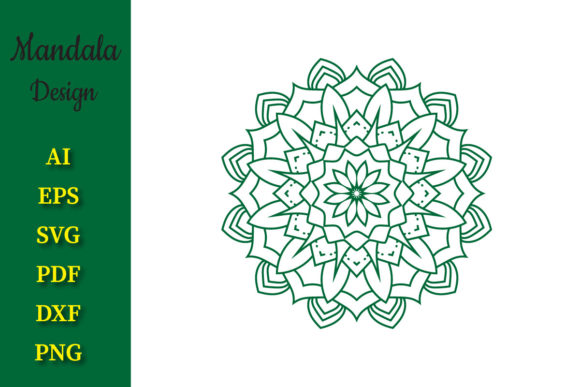
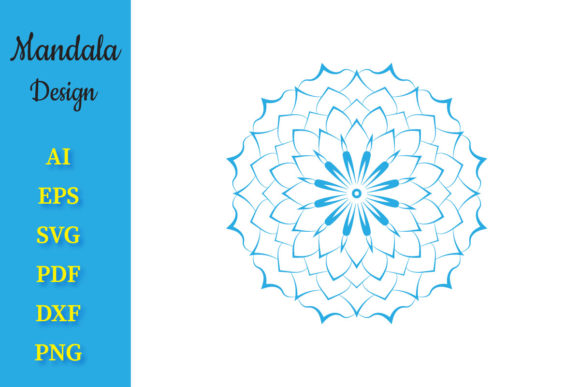
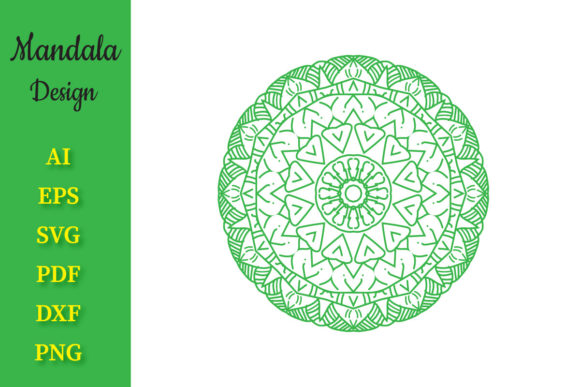
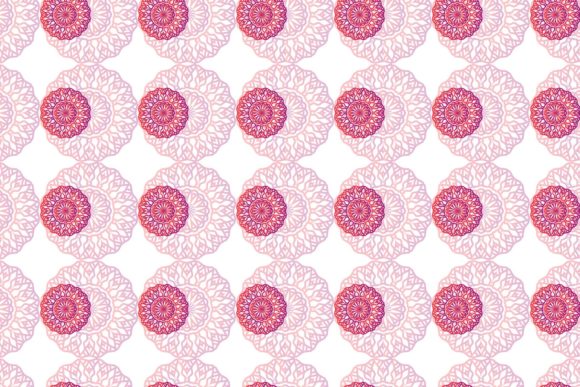
- Radial symmetry: Elements radiate outward from a clear, intentional center—no matter how complex the layers, the focal point remains visually and conceptually anchored.
- Layered repetition: Shapes, motifs, or symbols recur in predictable intervals—often in multiples of four, eight, or twelve—creating visual rhythm without monotony.
- Intentional symbolism: Even in secular or commercial use, mandala-based patterns carry subtle meaning—whether representing growth (petals), protection (enclosing borders), or integration (interlocking forms).
This isn’t just ornamentation. It’s structured storytelling through shape and space—making Mandala Patterns Design uniquely adaptable across contexts where clarity, calm, or cohesion matters.
Where Mandala Patterns Design Fits in Real Life
You’ve likely encountered Mandala Patterns Design without realizing it—on yoga studio walls, in textile prints, inside meditation apps, or even embedded in logo systems for wellness brands. Its applications span far beyond spirituality:
For Creators & Artists
Digital illustrators use mandala frameworks to build intricate vector art efficiently—starting from a center point and mirroring elements using symmetry tools. Hand-drawn mandalas serve as therapeutic sketching exercises, helping creators enter flow states while building confidence in composition.
For Educators & Therapists
In classrooms and counseling settings, Mandala Patterns Design supports emotional regulation and cognitive development. Coloring pre-drawn mandalas improves focus in children with ADHD; guided mandala journaling helps teens articulate identity and values. The predictability of the form offers psychological safety—especially for those processing trauma or anxiety.
For Business Owners & Marketers
Brands seeking authenticity and warmth increasingly turn to Mandala Patterns Design for packaging, website backgrounds, or social media assets. A skincare line might use soft, floral mandalas to evoke natural renewal; a tech startup could reinterpret geometric mandalas as clean, interconnected node diagrams—symbolizing network strength and user-centered architecture.
For Interior & Product Designers
Floor tiles, wallpaper, ceramic glazes, and even acoustic paneling incorporate mandala-inspired layouts—not only for aesthetics but acoustics and ergonomics. Radial patterns distribute visual weight evenly, reducing perceptual fatigue in large spaces like hospitals or co-working lounges.
Strengths You Can Rely On
Why does Mandala Patterns Design consistently deliver value? Because it’s built on principles that align with how people see, feel, and remember:
- Universal readability: Circles transcend language barriers—making mandala-based visuals ideal for global branding or inclusive public signage.
- Scalability without loss: Vector-based mandala patterns retain crispness at any size—from embroidery thread count to billboard resolution.
- Emotional resonance: Studies in environmental psychology suggest radial symmetry reduces perceived clutter and increases feelings of control—a quiet advantage in digital interfaces or retail environments.
- Collaborative flexibility: Teams can co-create mandalas using shared templates—each contributor adding a layer (e.g., color, texture, icon) while preserving structural integrity.
Realistic Considerations Before You Begin
While powerful, Mandala Patterns Design isn’t a universal fix—and understanding its boundaries helps you apply it wisely:
- Time investment varies: Simple 4-quadrant mandalas can be sketched in minutes; highly detailed, culturally informed versions may require research, cultural consultation, and iterative refinement—especially when drawing from specific traditions like Tibetan sand mandalas or Hindu yantras.
- Cultural sensitivity matters: Using sacred symbols (e.g., lotus centers, vajra motifs, or Om glyphs) outside their original context risks appropriation. When in doubt, collaborate with practitioners or opt for original, non-literal interpretations—focusing on structure over symbolism.
- Not always “minimal”: Though often associated with calm, overly dense mandalas can overwhelm. Balance is key: leave breathing room between layers, use strategic negative space, and test legibility across devices.
- Software isn’t mandatory—but helps: While hand-drawing builds intuition, tools like Adobe Illustrator’s Transform effect or free alternatives like Inkscape’s symmetry extensions dramatically accelerate precision—particularly for commercial projects requiring consistency across dozens of assets.
How to Evaluate If Mandala Patterns Design Is Right for Your Project
Ask yourself these practical questions before committing:
- Does your goal involve centering attention? (e.g., guiding users toward a CTA, focusing classroom instruction, anchoring a brand identity)
- Do you need visual harmony in a high-stimulus environment? (e.g., healthcare waiting rooms, educational dashboards, festival branding)
- Is repetition part of your message? (e.g., sustainability cycles, learning progress, community connection)
- Can your audience benefit from subtle emotional cues? (e.g., calm for meditation apps, stability for financial services, growth for education platforms)
If two or more resonate, Mandala Patterns Design is likely a strong candidate—not as decoration, but as functional design strategy.
Getting Started—Without Overcomplicating It
You don’t need years of training to begin exploring Mandala Patterns Design. Try this grounded approach:
- Start small: Draw a circle. Divide it into 4 or 8 equal sections using light pencil lines. Add one repeated shape (a dot, triangle, or curve) in each segment.
- Observe real-world examples: Photograph floor patterns in local mosques, tilework in historic buildings, or even sliced citrus fruits. Notice how variation within repetition creates interest.
- Use constraints intentionally: Limit yourself to two colors, one line weight, or three shapes. Constraints fuel creativity—and reveal the elegance of the form.
- Test in context: Place your pattern over a photo, behind text, or as a watermark. Does it enhance—or compete? Adjust contrast, scale, or density accordingly.
Remember: the power of Mandala Patterns Design lies not in perfection, but in presence—in how thoughtfully arranged elements invite pause, recognition, and connection.
A Final Thought: Design With Intention, Not Just Aesthetics
In an age of algorithmic feeds and fragmented attention, Mandala Patterns Design offers something quietly revolutionary: a reminder that structure can be soothing, repetition can be meaningful, and symmetry can be deeply human. Whether you’re launching a wellness app, designing curriculum materials, rebranding a boutique, or simply seeking a mindful creative practice—this design language invites you to begin at the center, move outward with purpose, and honor both pattern and pause.
Explore further with free mandala grid templates, guidelines for respectful adaptation, or real-world case studies from educators and designers.